Park Rules & Regulations
Park Safety Guidelines
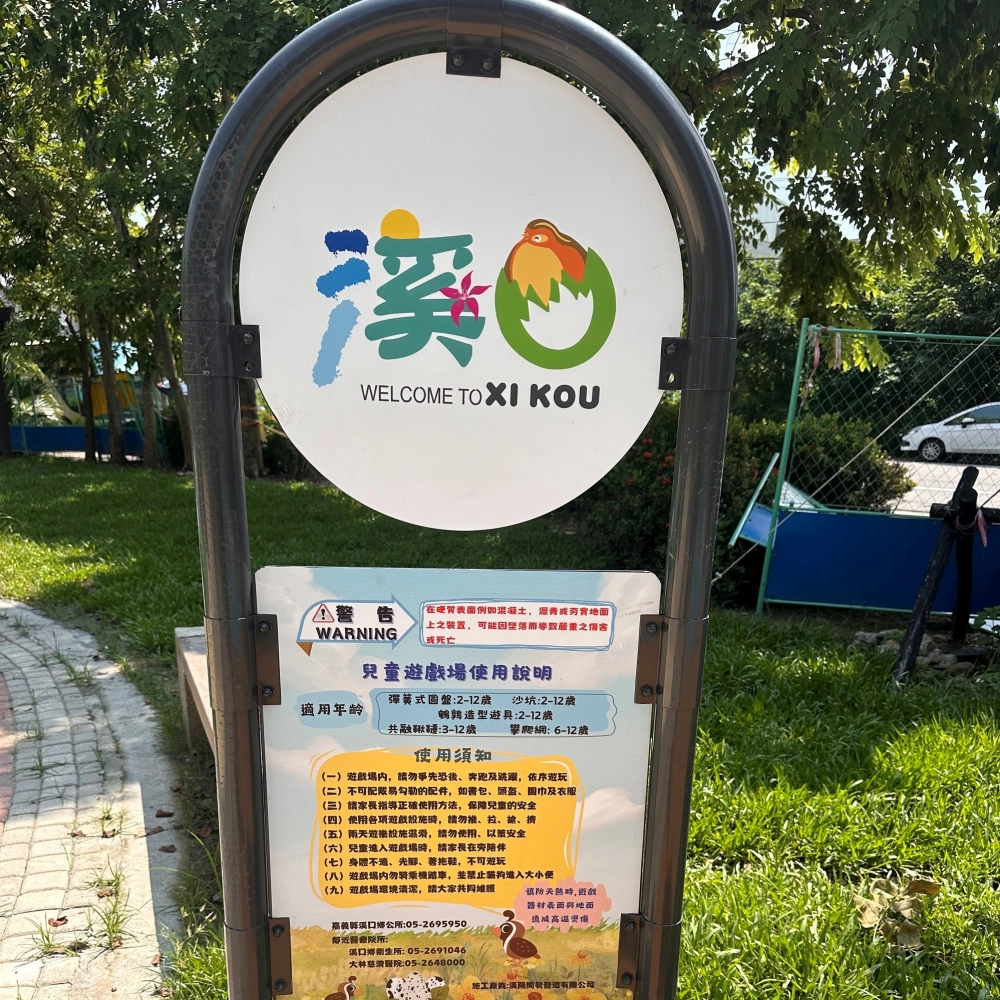
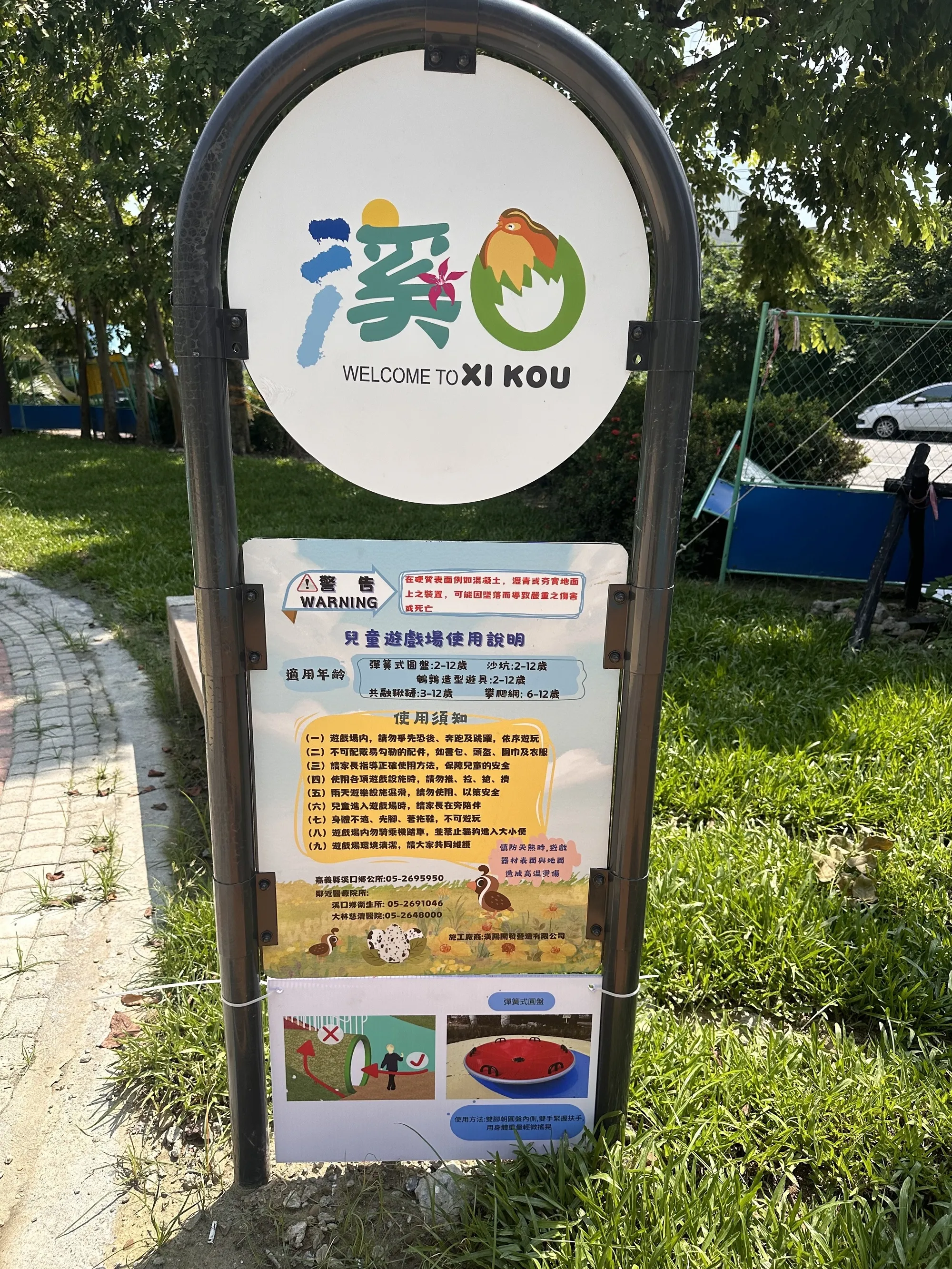
Modern public playgrounds are required to display information and safety signage, which plays a vital role in safe use.While we strive to provide fun and challenging play equipment, there are certain actions that should not be attempted before users are fully familiar with the facilities. It is the responsibility of playground equipment providers to clearly inform users of these precautions, and we also encourage parents to guide and supervise children during play.
For everyone’s safety, we kindly ask children and parents to read the posted signage carefully before using the playground equipment. By doing so, children can enjoy the fun and excitement of play while learning how to protect themselves.
Below are the playground safety guidelines:
- For safety reasons, children must be accompanied by a parent or teacher at all times when using playground equipment.
- Proper warm-up is recommended before using physical play equipment; avoid stiff or excessive movements.
- Do not push, pull, rush, or crowd. Please line up and take turns when using equipment.
- Wash hands before and after play to prevent the spread of viruses or infections.
- Do not use the playground if feeling unwell, barefoot, or wearing slippers.
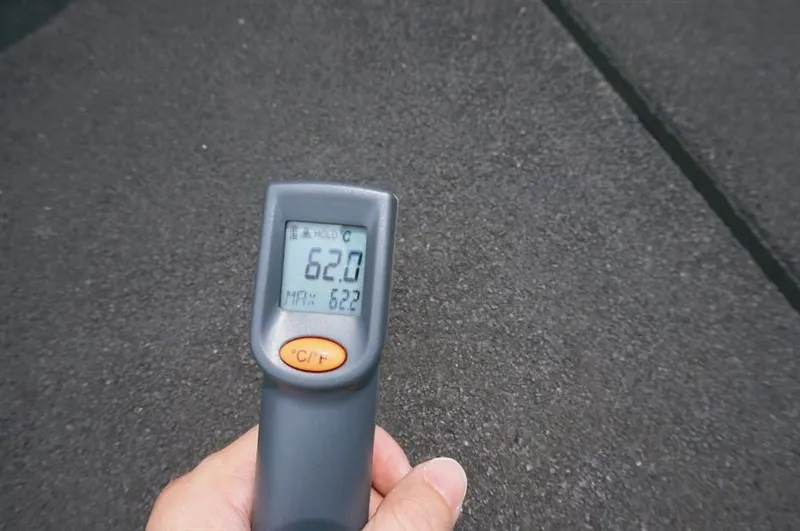
- Playground equipment and surfacing may become extremely hot under direct sunlight; avoid use during high temperatures to prevent burns.
- Do not use playground equipment on rainy days, as surfaces may be slippery and cause injury.
- When using the playground at night, ensure the area is sufficiently well-lit.
- Bicycles (including electric bikes), tricycles, and pets are not allowed in the playground.
- Remove or secure keys, backpacks, jewelry, scarves, or any sharp or dangling items before using equipment.
- Eating or drinking while using playground equipment is prohibited, including candy and chewing gum.
- Do not sit, lie down, or linger at slide exits or near rotating equipment.
- Do not climb onto non-play surfaces or jump down, including restricted areas or jumping forward from swings.
- Do not attempt high-risk or advanced movements (such as backflips on trampolines) without professional training. Such actions should only be performed at venues with qualified supervision.
- Jumping and similar activities place stress on the spine and legs. Individuals with cardiovascular conditions, osteoporosis, spinal injuries, or related medical history must obtain medical approval and limit usage time; otherwise, use is prohibited.
- Avoid prolonged running or jumping. Stay hydrated and stop using equipment immediately if discomfort occurs.
- Strictly follow any posted weight ornumber limits on equipment.
- If any equipment damage is discovered, stop using it immediately and notify the relevant management authority.